Hosting a Steak Dinner in China: Plan the Cuts Before the Guest List Grows
Hosting friends for steak in China? Turn preferences, cookware and serving order into a practical beef enquiry without guessing a universal portion size.
The easiest way to host a steak dinner is to design the serving plan before choosing a cut. Count the guests, but also ask who prefers a leaner piece, whether everyone expects an individual steak, what else is being served and how many portions your kitchen can cook at once. Then ask for a quote for the actual cuts and slicing that fit that plan. A premium-sounding beef name cannot fix a pan that is too small or a serving schedule that keeps half the table waiting.
Decide how the meal reaches the table
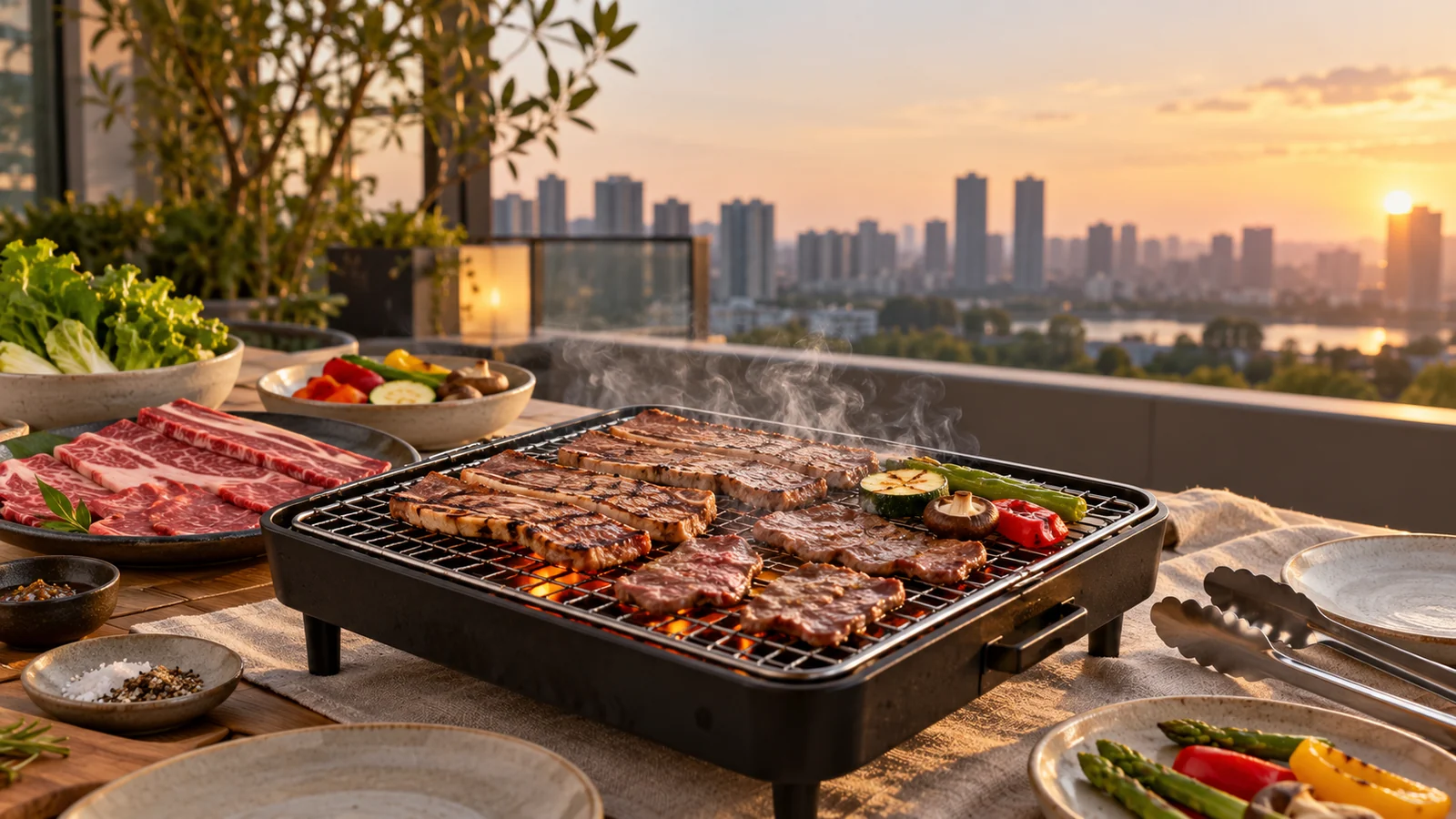
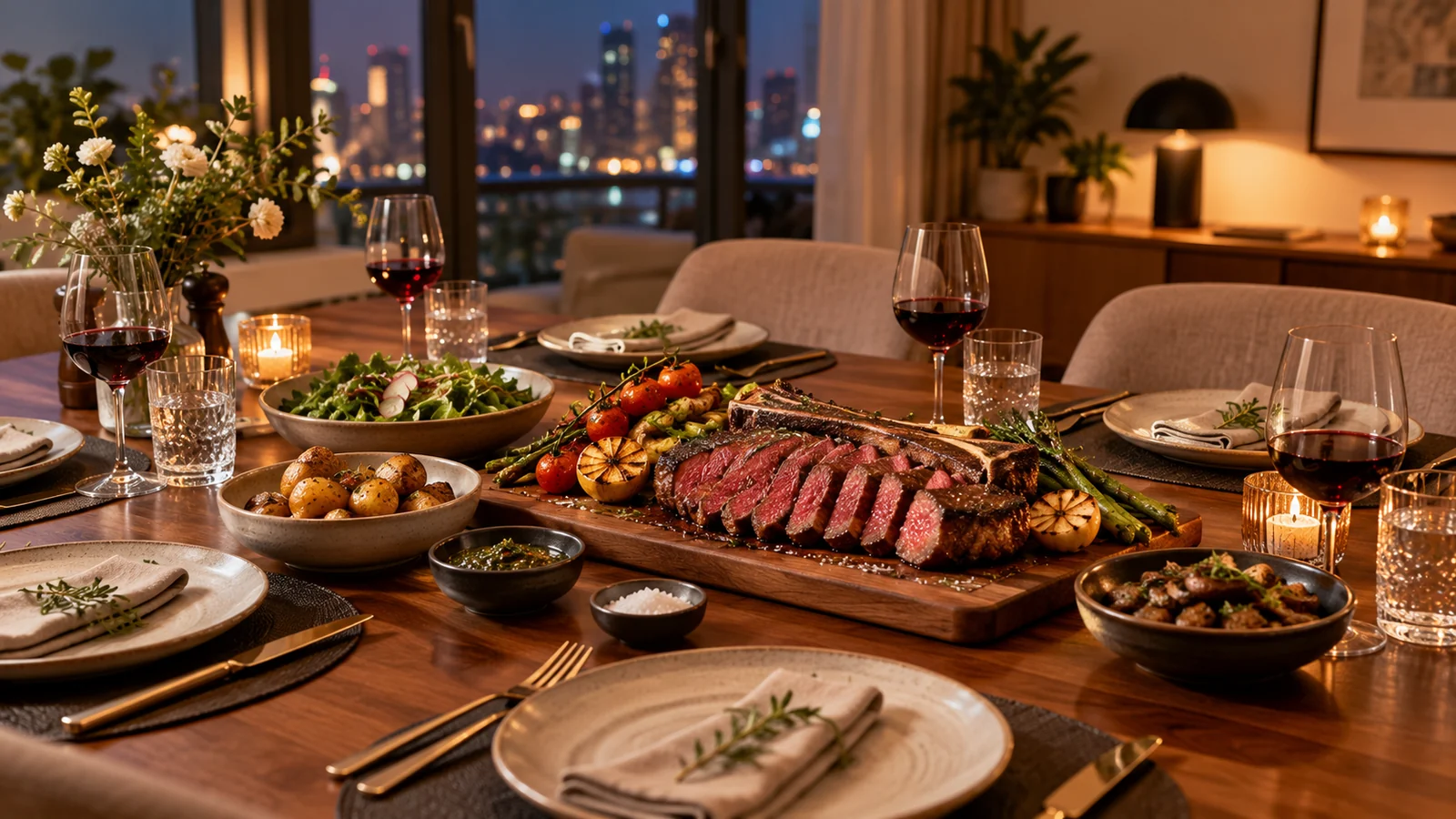
Individual steaks feel personal but require enough cooking surface and attention to timing. A shared board can make a mixed-preference table easier: cook a suitable piece, rest it according to your recipe, slice it and let guests choose portions alongside the sides. A tasting format uses smaller servings of different cuts, but only if your cookware and the guests’ appetite make that practical.
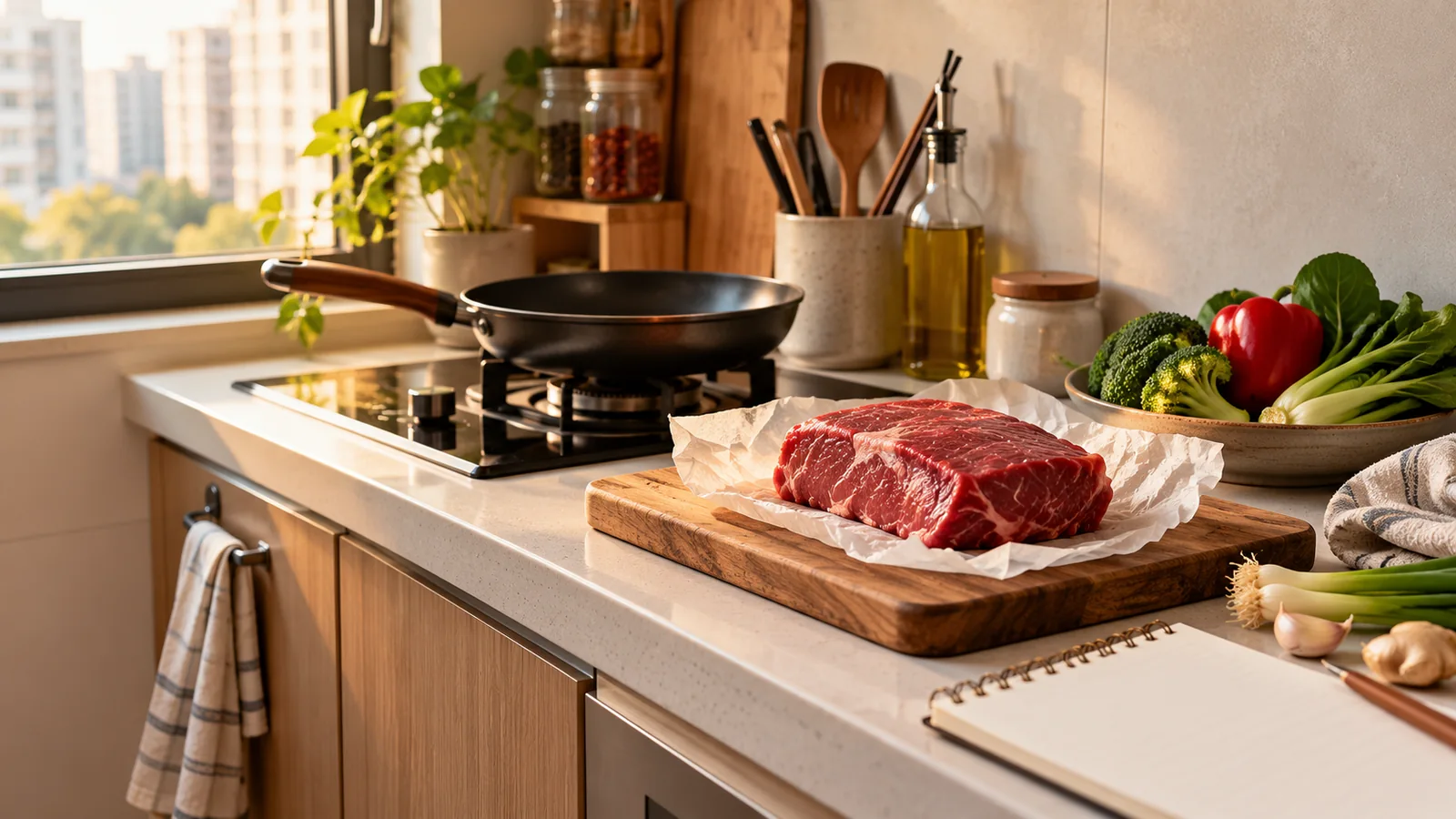
Imagine six friends, one pan and a table with several side dishes. That is an example, not a prescribed order size. Six large separate steaks may mean cooking in several batches, while one or two shared platters may let everyone eat together. If your guests expect a particular doneness, discuss how that affects serving order. Keep the meal simple enough to execute in your kitchen.
Convert preferences into a cut brief
Ask guests about visible fat, appetite and any constraints relevant to your menu. Then use the steak selection guide to compare cuts by their actual structure rather than treating marbling numbers as a universal preference. The whole-cut selector lets you describe your intended thickness and preparation, but the current piece and feasible cutting plan still need confirmation.
| Dinner format | Brief for the seller | Check at home |
|---|---|---|
| One steak per guest | Desired number of portions, approximate range and thickness | Can your pan cook them in a sensible sequence? |
| Sharing board | Number of diners, sides and fat preference | Do you have a board, knife and serving space? |
| Cut comparison | Which two styles guests want to compare | Can you prepare and explain both without slowing dinner? |
Avoid requesting identical weights from a naturally tapered whole cut without asking what is physically possible. The end pieces may differ from the centre; decide whether that variation works for your meal before finalising the quote.
Ask for the full quote, including the preparation
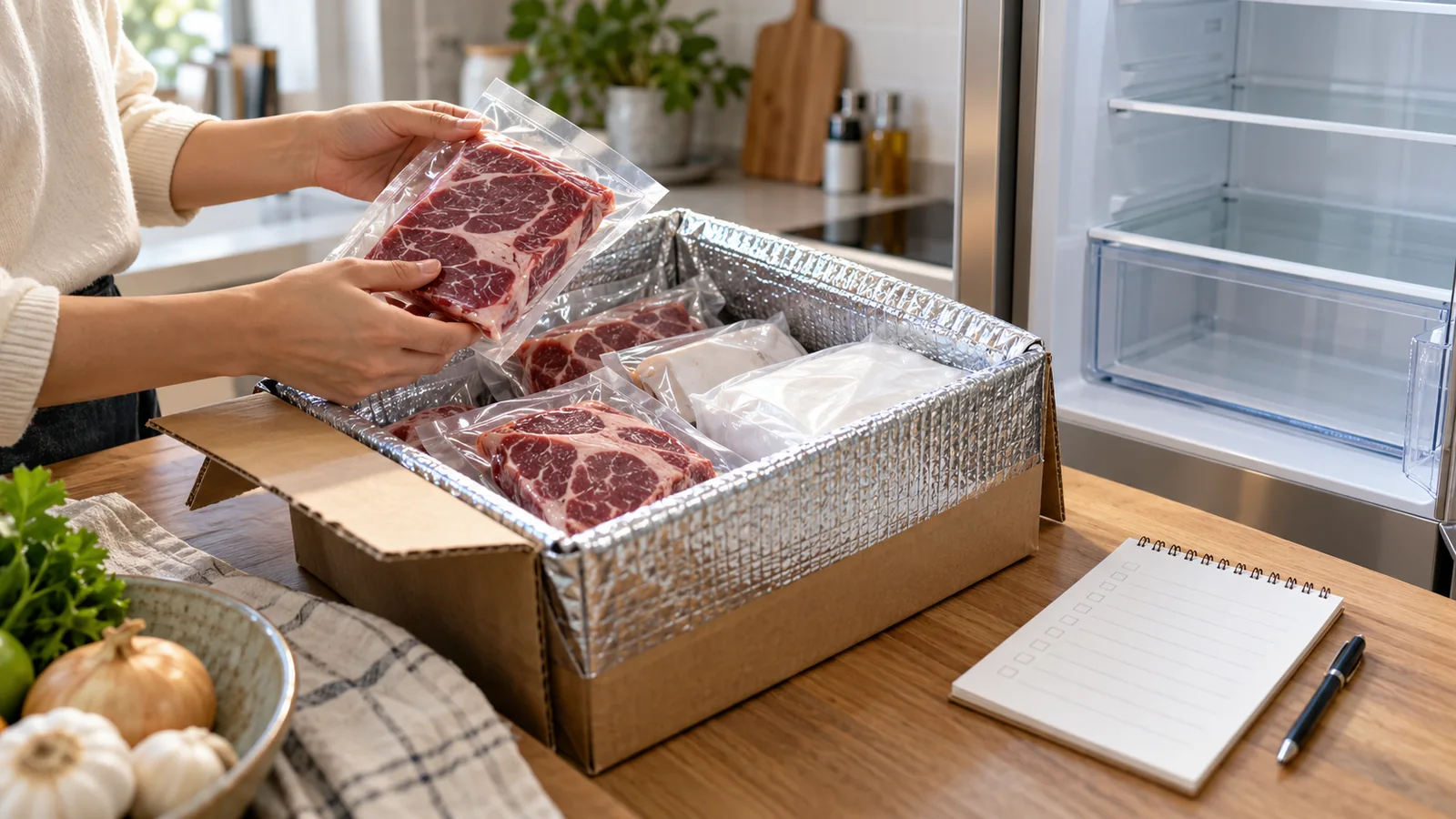
Compare like with like. A quoted price per kilogram may refer to the original whole piece, while a host is picturing finished steaks. Ask for the original and expected prepared weight basis, any trimming, number and approximate size of portions, pack units and a total that includes any preparation, packaging and delivery costs. Request photographs of the current product and original label. Treat archived product photography as a guide to what to ask, not proof of today’s stock or grade.
If the menu includes people who want only a small taste, say so. There is no single grams-per-guest rule that fits a steak-only dinner and a table full of side dishes equally well. Let the seller work from your real menu and provide a proposal you can review.
Keep a simple host’s timeline
Before ordering, decide the serving style and check the cookware. When the quote arrives, verify the actual cut, labels, weight basis and what preparation is included. When the order is confirmed, follow its handling guidance and choose a recipe suited to your equipment. The World Table provides meal ideas; adapt the sequence to your kitchen rather than copying a restaurant service.
We are hosting [number] friends in [city] on [date]. Steak is [main dish / part of a larger table]. We prefer [individual steaks / a sharing board / a two-cut comparison]. Our pan or grill fits [description], and guests prefer [fat and serving preferences]. Please propose current cuts and a feasible portioning plan, show each actual label and cut surface, and quote the full payable total with preparation, packaging and delivery.
Plan a selection for your guests: send a whole-cut enquiry with the menu and cooking setup. Confirm the specific offer before promising a cut or serving size to your guests.