How to read an imported beef label: real examples
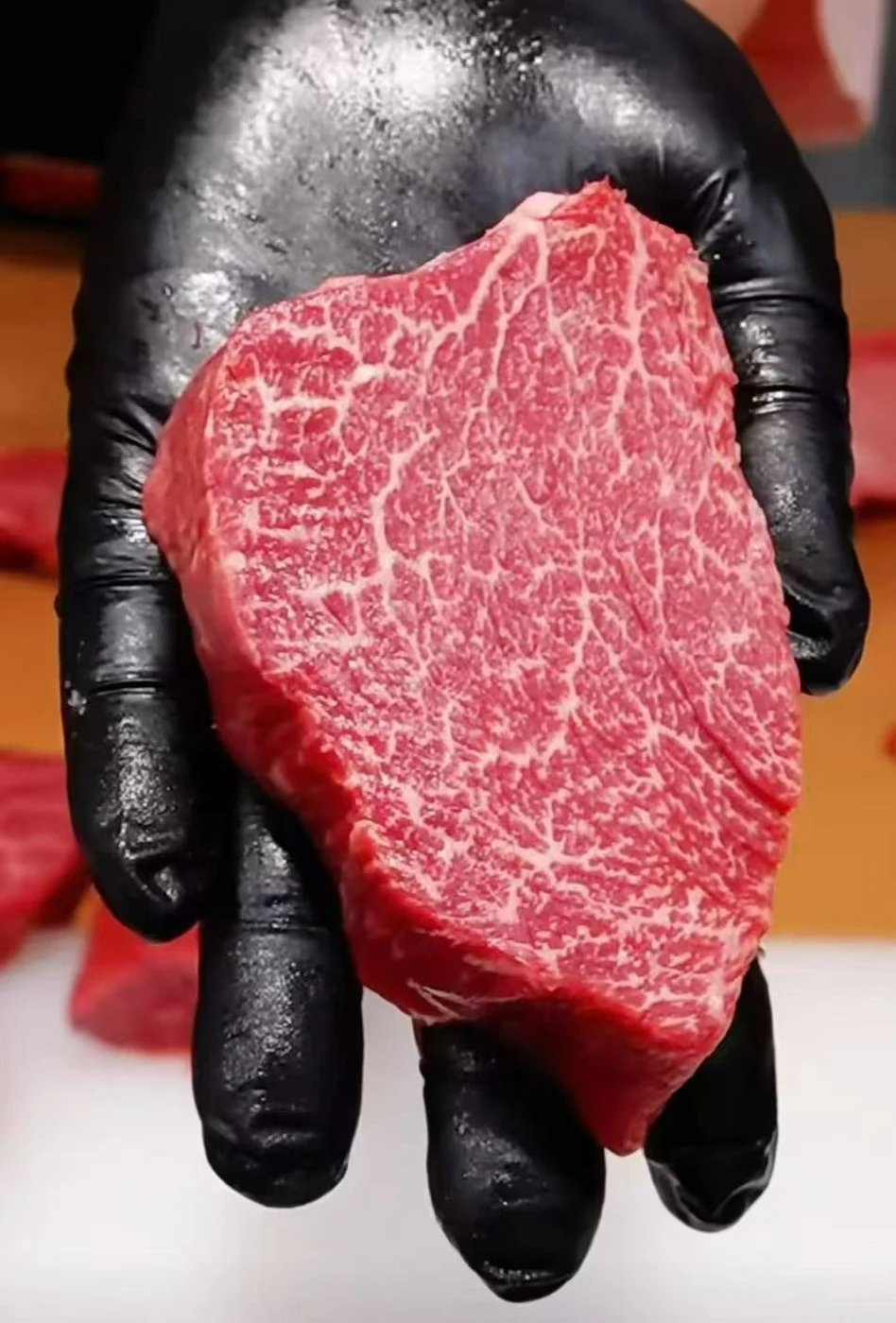
Read origin, breed, cut and grade as separate fields. Check the original product identification and the batch, then compare the cut photo. A brand name, attractive marbling or an isolated “Prime” word is not enough to establish the full product specification.
The photographed claim and the supplier description may differ.
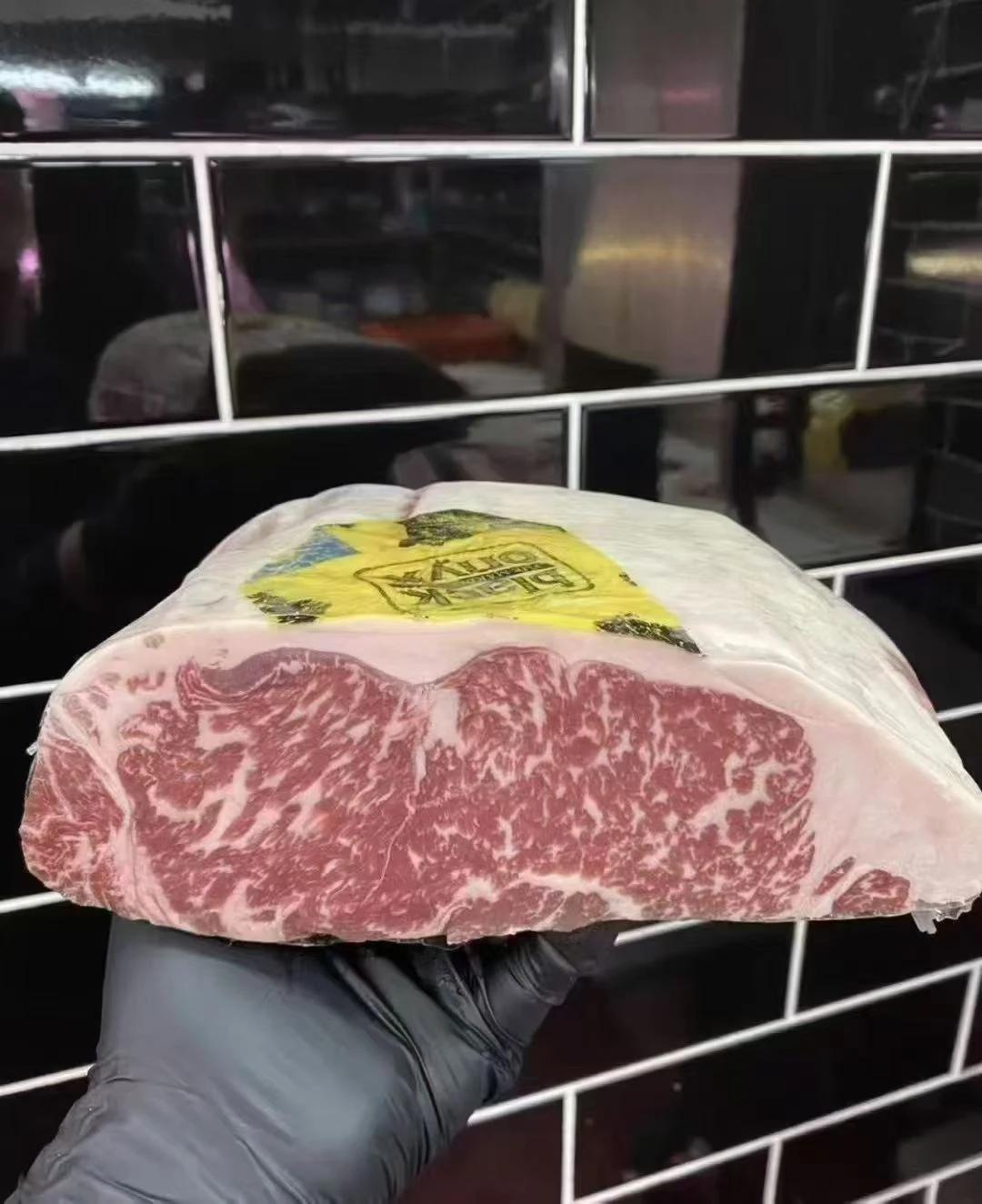
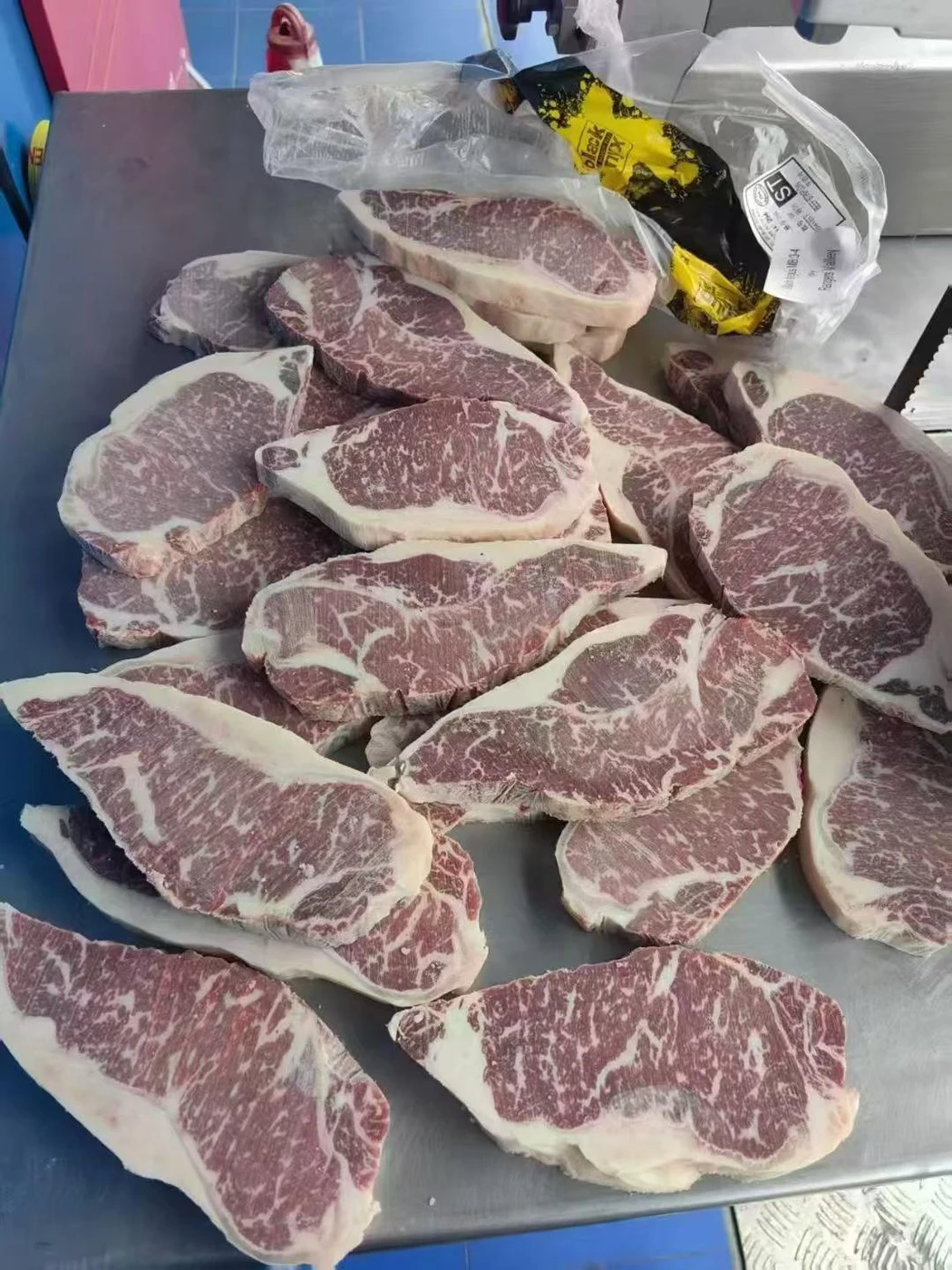
The BLACK ONYX sample card reads MB3–4 while the supplier description says M3+. Our product page retains both, with their sources. We do not silently turn them into a new certified score. Ask for the label on the batch being offered to you.
A gallery is not automatically one batch.
Our LOTTE L’grow tenderloin record contains inner-pack and carton photographs with different 2025 dates. They help identify the product range, but are not a continuous single-batch record or evidence of current freshness. That distinction stays visible on the product page.
Look for the system behind the grade.
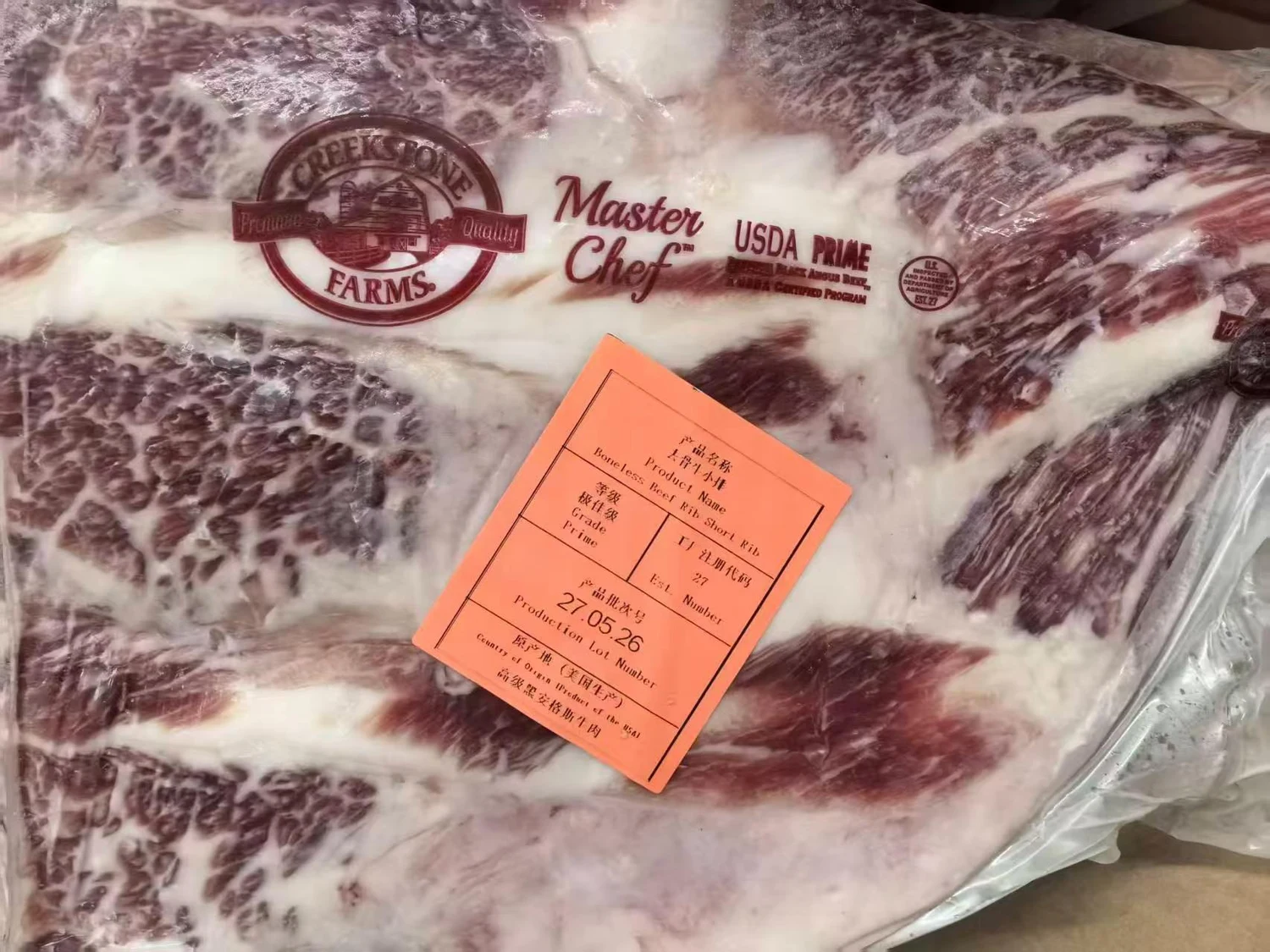
The Creekstone sample packaging shows USDA PRIME. The Russian MIRATORG sample also uses PRIME, but that brand designation is not a USDA grade. The same word does not establish the same grading claim. Likewise, keep Australian brand ranges as written instead of creating a one-to-one conversion to US grades.
- Use the grade explanation together with the exact product label.
- Request current-batch photos if the available product changes.
- A visible brand is product identification, not proof that the seller is an authorised brand partner.
Further reading
Official sources explain the systems; our product pages separately describe the evidence visible in our sample photographs.
Make the next step personal.
Bring your city, occasion and preferences. Ask for a shortlist and clarify the practical details before deciding.